
How can I improve skin hydration without using chemicals?

Healthy and hydrated skin is one of the most important aspects of overall wellness. In the United States, many people struggle with dry or dull skin due to environmental factors, busy lifestyles, and indoor heating or air conditioning. Proper skin hydration helps maintain elasticity, reduces fine lines, and gives your skin a natural glow. While there are countless creams and serums available, many contain chemicals that may irritate sensitive skin. Luckily, there are natural and safe ways to improve hydration without relying on harsh products. Drinking enough water, eating hydrating foods, and using gentle routines can make a noticeable difference. Good skin hydration also supports your skin’s barrier function, protecting it from infections and pollutants. People of all ages can benefit from simple, chemical-free methods to keep skin soft and supple. In this article, we will explore practical ways to naturally boost skin hydration. You will learn easy steps you can follow at home without complicated routines or expensive treatments.
How can I improve skin hydration without using chemicals?
Keeping your skin hydrated naturally is possible with simple lifestyle changes and home remedies. Chemical-free methods focus on nourishment from within and gentle care from the outside. Using natural oils, water-rich foods, and mindful routines can make your skin softer and healthier. Let’s look at some effective ways to improve skin hydration naturally.
1. Drink Plenty of Water
Water is essential for your body and skin. Drinking enough water helps maintain skin elasticity and flush out toxins. It is recommended to drink at least 8 glasses of water per day. When your body is hydrated, your skin cells receive the moisture they need to function properly. Water also supports circulation, which helps bring nutrients to your skin. Avoid replacing water with sugary drinks, as they can dehydrate your skin. Carry a water bottle and sip throughout the day. Eating fruits and vegetables with high water content can also contribute to hydration. Remember that hydration is a continuous process; it’s not just about drinking a lot at once. Combining water intake with other natural methods improves long-term skin health.
2. Eat Water-Rich Foods
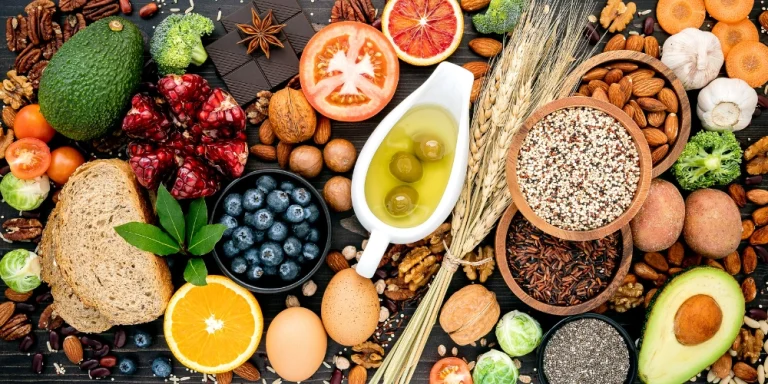
Many fruits and vegetables have high water content, which supports hydration naturally. Foods like watermelon, cucumber, oranges, and strawberries are excellent choices. Leafy greens like spinach and lettuce also provide moisture and essential nutrients. These foods not only hydrate your skin but also supply vitamins and antioxidants that protect against damage. Including soups or smoothies in your diet can increase fluid intake without extra effort. Healthy fats from avocado and nuts help retain moisture in the skin. Seasonal fruits are usually fresher and more hydrating than processed options. Making hydrating foods a regular part of your meals can improve skin texture gradually. Consistency is key, as small daily changes have long-term benefits for hydration and skin glow.
3. Use Natural Oils
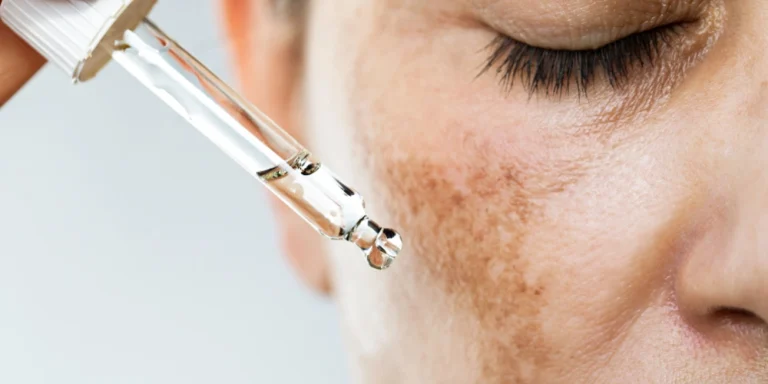
Natural oils like coconut, olive, and jojoba oil can lock in moisture and nourish your skin. Apply oils to damp skin after a shower to seal in water. These oils are rich in fatty acids and vitamins that help strengthen the skin barrier. They can reduce dryness, flakiness, and irritation without using chemical ingredients. Coconut oil works well for the body, while jojoba oil is lighter and good for the face. Olive oil can be added to homemade masks or used as a moisturizer. Always patch test oils to ensure no allergic reaction occurs. Using natural oils regularly can maintain skin softness and hydration. Avoid synthetic perfumes or chemical additives when choosing oils. Combining oils with gentle massage improves blood flow and boosts the skin’s natural glow.
4. Take Shorter, Warm Showers
Long hot showers can strip the skin of its natural oils, causing dryness. Opt for shorter showers with warm water instead of hot. Keep your showers under 10 minutes to prevent excessive moisture loss. After showering, pat your skin dry gently instead of rubbing harshly. Applying natural oils or a chemical-free moisturizer immediately helps retain hydration. Avoid using harsh soaps or cleansers that remove the skin’s natural barrier. Warm water opens pores slightly, making it easier to absorb moisture. Maintaining the right shower temperature can prevent skin irritation. Use a mild, fragrance-free cleanser if needed. Short, warm showers combined with natural moisturization keep skin soft and hydrated over time.
5. Humidify Your Environment
Dry indoor air can dehydrate your skin, especially during winter or in air-conditioned spaces. Using a humidifier adds moisture to the air and helps prevent skin from drying out. Keep your bedroom or living space at a comfortable humidity level. Humidifiers are especially helpful while sleeping, as overnight dehydration can worsen skin dryness. Make sure to clean the humidifier regularly to avoid bacteria or mold. Houseplants can also slightly increase humidity naturally. Avoid placing your skin too close to heating vents or air conditioners. Maintaining a hydrated environment works together with water intake and skincare to improve overall skin health. Simple changes in your surroundings can make a noticeable difference in skin softness and appearance.
Frequently Asked Questions
Natural methods can be very effective for skin hydration, but many people have common questions. Here are answers to help you understand how to improve skin hydration safely and effectively.
Q1: Can drinking more water alone improve skin hydration?
Drinking water is important, but it may not be enough alone. Combining water intake with water-rich foods and gentle skincare improves results. Hydration works best when it comes from multiple sources.
Q2: Are natural oils safe for all skin types?
Most natural oils are safe, but some people may have sensitivities or allergies. Always test a small area first. Choose lighter oils for oily skin and heavier oils for dry areas to maintain balance.
Conclusion
Improving skin hydration without chemicals is possible with consistent effort. Start by drinking enough water every day and eating water-rich fruits and vegetables. Use natural oils to lock in moisture after bathing. Take short, warm showers to prevent dryness. Keep your environment humidified, especially during dry months. Avoid harsh soaps or products with synthetic chemicals. Simple lifestyle changes and natural remedies can significantly improve skin softness and glow. By following these steps consistently, you can maintain healthy, hydrated skin naturally and safely.