How can I protect my skin from sun damage naturally?

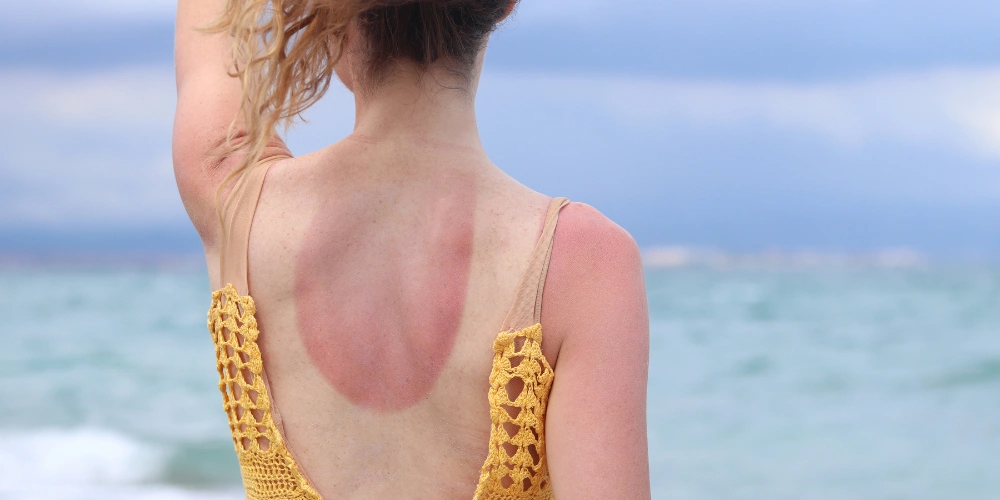
Spending time outdoors is enjoyable, but the sun’s rays can harm your skin. Sun exposure can cause sunburn, premature aging, and even skin cancer. Protecting your skin is very important, especially in places like the United States where sunlight can be strong in summer. Natural methods can help keep your skin safe without relying only on chemical products. Simple lifestyle choices, like wearing protective clothing or eating certain foods, can make a big difference. Even small daily habits matter for long-term skin health. By learning how to protect your skin naturally, you can enjoy the outdoors safely. It’s about prevention, care, and awareness. Natural protection methods often have fewer side effects and support overall health. Let’s explore some effective ways to protect your skin from sun damage naturally.
How can I protect my skin from sun damage naturally?
Protecting your skin from the sun doesn’t always mean using creams. There are natural ways to reduce sun damage. These methods help keep your skin healthy and glowing while reducing risks of burns or aging. Simple habits and home remedies can provide extra protection.
Wear Protective Clothing
Wearing long sleeves, hats, and sunglasses can protect your skin from harmful UV rays. Lightweight and breathable fabrics are best in hot weather. Clothes with tight weaves or special UV protection are even more effective. A wide-brimmed hat shields your face, ears, and neck. Sunglasses protect the delicate skin around your eyes. Covering up also prevents sunburn on areas that are often missed by sunscreen. Using natural fibers like cotton or linen keeps you cool while staying protected. Protective clothing is a simple and effective step that anyone can follow daily. You don’t need special equipment, just smart choices when dressing. This method works all day, especially during peak sun hours. Combining clothing with other natural methods strengthens your skin’s defense.
Use Natural Oils
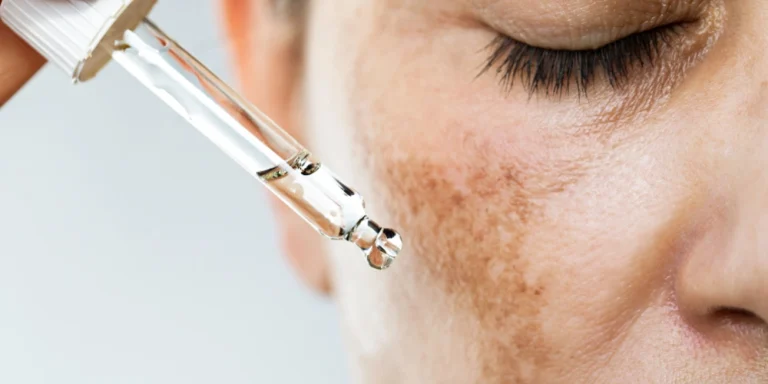
Certain natural oils can provide mild sun protection and nourish the skin. Coconut oil, raspberry seed oil, and carrot seed oil have small amounts of natural SPF. These oils also moisturize and reduce dryness caused by the sun. Applying them before going outdoors adds a protective layer. They work best when combined with other sun protection methods. Oils like shea butter can also soothe skin after sun exposure. While not a replacement for sunscreen, they are useful for short outdoor activities. Natural oils are easy to find and safe for most skin types. You can even mix oils for better results. Regular use improves overall skin health and texture. Oils also provide antioxidants that fight free radicals from sunlight.
Eat Antioxidant-Rich Foods
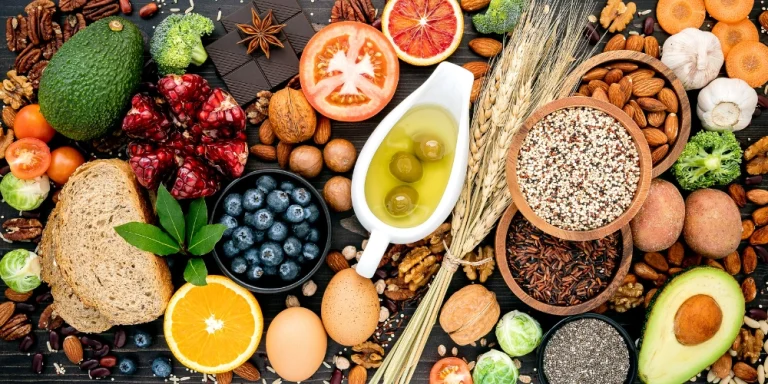
Eating foods rich in antioxidants helps your skin fight sun damage from the inside. Tomatoes, carrots, berries, and green leafy vegetables are excellent choices. Vitamins C and E help repair skin and reduce inflammation. Omega-3 fatty acids from fish and flax seeds strengthen skin cells. These nutrients make your skin more resilient to UV damage. Regularly eating colorful fruits and vegetables enhances natural protection. Antioxidants also slow down premature aging caused by sun exposure. Hydrating foods, like watermelon and cucumber, support skin moisture. Adding these foods to your daily diet is simple and effective. Over time, your skin becomes healthier and better able to cope with sunlight.
Stay in Shade
Spending time in the shade reduces direct exposure to harmful UV rays. Trees, umbrellas, and canopies are excellent options. Staying in shade during peak sun hours, usually 10 a.m. to 4 p.m., is most effective. Shade prevents sunburn and lowers heat-related risks. Even partial shade can reduce UV exposure significantly. Using shade during outdoor activities like walking, sports, or picnics protects your skin naturally. Combining shade with protective clothing strengthens your defense. Natural shelters like trees also provide cooling benefits. Children and people with sensitive skin especially benefit from staying in shade. Planning outdoor time carefully reduces long-term skin damage.
Drink Plenty of Water
Hydrated skin is healthier and better protected from sun damage. Drinking water keeps skin cells functioning properly. Proper hydration reduces dryness and peeling caused by sun exposure. It also helps your skin repair minor damage more effectively. Water supports overall skin elasticity, making it more resilient to environmental stress. You can include water-rich foods like cucumber, oranges, and melons for extra hydration. Drinking enough water daily is simple but often overlooked. Hydration also improves your skin’s natural glow. Combined with diet and topical care, water helps maintain strong, healthy skin.
Apply Natural Masks
Natural masks using ingredients like aloe vera, yogurt, or oatmeal soothe sun-exposed skin. Aloe vera reduces redness and inflammation caused by UV rays. Yogurt moisturizes and supports the skin’s protective barrier. Oatmeal calms irritation and provides gentle exfoliation. Applying masks after sun exposure speeds up skin recovery. Regular use helps maintain smooth, healthy skin. Masks are easy to prepare at home and safe for most skin types. They provide nutrients and antioxidants to support skin repair. Natural masks complement other protective measures for complete care.
Frequently Asked Questions
Learning natural ways to protect your skin raises some common questions. Here are answers to help you understand better.
Q1: Can natural oils fully replace sunscreen?
Natural oils provide mild protection but are not as effective as sunscreen. They work best for short outdoor periods and when combined with clothing or shade. For longer sun exposure, sunscreen is still necessary.
Q2: How often should I use antioxidant-rich foods for skin protection?
Eating antioxidant-rich foods daily gives the best results. Consistent intake helps repair and protect skin over time. Include fruits, vegetables, and healthy fats in every meal for maximum benefit.
Conclusion
Protecting your skin naturally is possible with simple steps. Wearing protective clothing, hats, and sunglasses reduces direct sun exposure. Using natural oils and masks nourishes and protects your skin. Eating antioxidant-rich foods strengthens your skin from within. Spending time in shade and drinking plenty of water adds extra defense. Combine these methods for the best protection. Daily habits matter more than occasional care. By following these steps, you can enjoy the sun safely while keeping your skin healthy and glowing.