
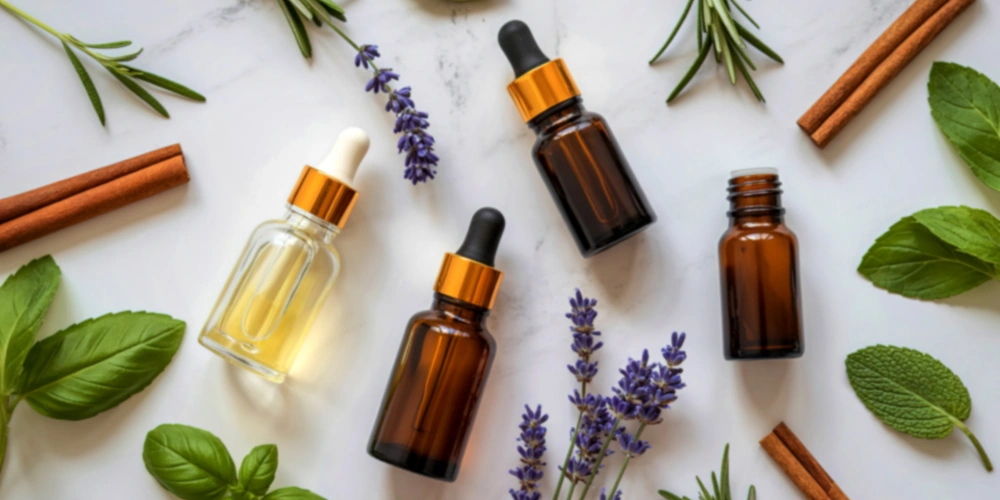
What are the best natural oils for skin health?

Taking care of your skin is very important, especially in the United States where the climate and pollution can affect your skin’s health. Healthy skin not only looks good but also protects your body from infections and harsh environmental factors. Many people look for natural ways to improve their skin, avoiding harsh chemicals found in some skincare products. Natural oils have become popular because they provide nutrients, moisture, and antioxidants. These oils can help with dryness, acne, and premature aging. They are easy to use and can be applied directly or mixed with other skincare products. Unlike synthetic creams, natural oils often have fewer side effects. They can be part of your daily skincare routine for glowing, soft, and healthy skin. Understanding which oils work best for different skin types is key. In this article, we will explore the top natural oils for skin health in the United States.
What are the best natural oils for skin health?
Natural oils are packed with vitamins, minerals, and fatty acids that nourish the skin. They help maintain hydration, reduce inflammation, and protect against environmental damage. Choosing the right oil depends on your skin type and skin concerns. Here are some of the most effective oils you can use regularly.
Coconut Oil
Coconut oil is widely used in the United States for its moisturizing properties. It is rich in fatty acids that deeply penetrate the skin and provide long-lasting hydration. Coconut oil can help soothe dry and irritated skin, making it ideal for winter months or dry climates. Its antimicrobial properties also make it useful for reducing minor skin infections and acne. Many people use coconut oil as a natural makeup remover because it gently cleanses without stripping the skin. It can also improve skin elasticity, reducing the appearance of fine lines and wrinkles over time. Coconut oil is suitable for normal to dry skin types but may be too heavy for oily skin. Applying a small amount daily can leave your skin soft and glowing. Some users mix it with sugar or coffee grounds to create a gentle exfoliating scrub. Overall, coconut oil is a versatile and natural option for maintaining healthy skin.
Jojoba Oil
Jojoba oil closely resembles the natural sebum produced by our skin, making it excellent for balancing oil levels. It is lightweight and easily absorbed, making it suitable for all skin types, including oily and acne-prone skin. Jojoba oil has anti-inflammatory properties that can calm redness, irritation, and minor skin conditions. It also helps prevent clogged pores while providing hydration. Many people use jojoba oil as a base for homemade facial serums or mix it with essential oils. Its vitamin E content supports skin repair and reduces signs of aging. Regular use can improve skin tone and texture, leaving the skin soft and smooth. Jojoba oil is non-comedogenic, which means it won’t cause breakouts. It can also help fade scars and stretch marks over time. Applying a few drops daily can give your skin a natural, healthy glow.
Argan Oil
Argan oil is rich in antioxidants, vitamin E, and essential fatty acids. It is known as “liquid gold” for its powerful skin benefits. Argan oil hydrates the skin deeply and helps restore elasticity, making it useful for dry or aging skin. It also protects against environmental damage from sun and pollution. Many people use argan oil to reduce the appearance of fine lines, wrinkles, and scars. It can be applied directly or mixed with lotions and creams for enhanced benefits. Argan oil is lightweight, non-greasy, and absorbs quickly, making it suitable for daily use. Its anti-inflammatory properties help calm irritated skin and reduce redness. Regular use can leave the skin soft, smooth, and glowing. Argan oil is also popular for preventing stretch marks during pregnancy. Overall, it is a highly versatile oil that improves both the health and appearance of skin.
Olive Oil
Olive oil is one of the oldest natural remedies for healthy skin. It is rich in antioxidants, vitamins A and E, and healthy fats. Olive oil helps retain moisture and protects the skin from dryness and cracking. It can also reduce the signs of aging by fighting free radicals that cause wrinkles. Many people use olive oil as a gentle cleanser or add it to homemade masks. It is suitable for dry and sensitive skin types but may be too heavy for oily skin. Olive oil also helps soothe minor skin irritations and sunburns. Regular use can improve skin texture and elasticity. Combining olive oil with honey or yogurt can enhance its moisturizing effects. Overall, olive oil is a simple and natural option for maintaining soft, healthy skin.
Rosehip Oil
Rosehip oil is famous for its skin-repairing properties. It is rich in essential fatty acids and vitamins A and C. These nutrients help reduce scars, pigmentation, and signs of aging. Rosehip oil is lightweight and easily absorbed, making it ideal for most skin types. It supports skin regeneration and improves elasticity. Many people use rosehip oil to treat acne scars, stretch marks, and sun damage. Its antioxidant properties protect the skin from free radical damage. Applying rosehip oil daily can improve skin tone and provide a radiant glow. It is also gentle enough to use around sensitive areas like under the eyes. Overall, rosehip oil is a natural solution for healthy, youthful skin.
Almond Oil
Almond oil is rich in vitamins A, E, and fatty acids. It helps nourish and hydrate the skin deeply. Almond oil can soothe irritated and inflamed skin, making it useful for conditions like eczema and dryness. Many people use almond oil as a natural makeup remover or massage oil. Its antioxidant properties protect the skin from premature aging. Regular use can improve skin tone, softness, and elasticity. Almond oil is lightweight and absorbs easily, suitable for most skin types. It can also help reduce dark circles and puffiness around the eyes. Combining almond oil with honey or milk enhances its moisturizing effects. Overall, almond oil is an effective natural oil for maintaining healthy and glowing skin.
Frequently Asked Questions
People often have questions about using natural oils for skin health. Here are some common inquiries and answers.
Q1: Can I use natural oils on all skin types?
Yes, most natural oils are safe for all skin types, but it is important to choose the right oil. For example, jojoba oil works well for oily skin, while coconut and olive oil are better for dry skin. Patch testing is recommended to avoid irritation.
Q2: How often should I apply natural oils to my skin?
You can apply natural oils daily or a few times a week depending on your skin type. Dry skin may benefit from daily use, while oily skin may only need a few applications per week. Consistency helps maintain soft and healthy skin.
Conclusion
Natural oils are an excellent way to support skin health. They provide hydration, antioxidants, and essential nutrients. Choosing the right oil depends on your skin type and concerns. Oils like coconut, jojoba, argan, olive, rosehip, and almond are highly effective. They can reduce dryness, redness, signs of aging, and improve skin texture. Regular use keeps the skin soft, smooth, and glowing naturally. Incorporating natural oils into your daily skincare routine is simple and beneficial. Always apply them gently and consistently for the best results.