What are the best masks for dry and sensitive skin?

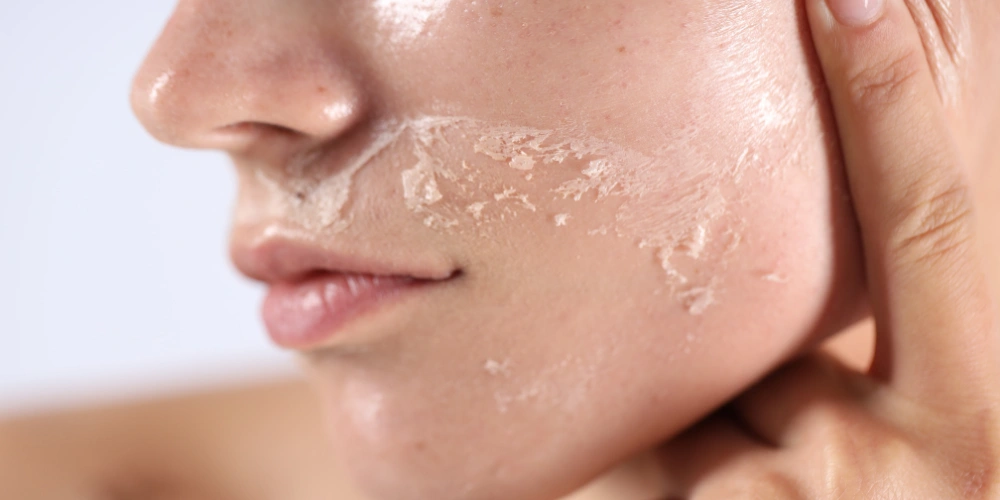
Taking care of your skin is very important, especially if you have dry or sensitive skin. Dry skin often feels tight, itchy, and rough. Sensitive skin can easily get red, irritated, or itchy. Using the right face mask can help soothe, hydrate, and protect your skin. Masks work deeply and provide nutrients that normal creams may not deliver. In the United States, many people look for masks that are gentle and effective. Choosing the wrong mask can make your skin worse. Natural ingredients are often safer for sensitive skin. It is also important to check for products without harsh chemicals. A proper skincare routine can improve skin health over time. In this post, we will discuss the best masks for dry and sensitive skin and how to use them safely.
What are the best masks for dry and sensitive skin?
Dry and sensitive skin needs masks that hydrate, calm irritation, and strengthen the skin barrier. Some masks are creamy, while others are gel-based. Choosing the right mask depends on your skin type and specific needs. Below are some types of masks that are highly recommended for dry and sensitive skin.
1. Hydrating Gel Masks
Hydrating gel masks are lightweight and full of moisture. They are perfect for sensitive skin because they are not heavy or greasy. These masks often contain ingredients like aloe vera, hyaluronic acid, and cucumber extract. These ingredients help lock in water and calm irritation. Applying a gel mask can reduce tightness and redness immediately. In the United States, many brands offer cruelty-free and fragrance-free gel masks. They are usually safe to use 2-3 times a week. Gel masks cool the skin, making them ideal for hot summer days. People with sensitive skin often notice a smoother and softer texture after using them. They are also suitable for layering under your regular moisturizer. Always rinse with lukewarm water to avoid shocking your skin. Consistent use improves elasticity and reduces flakiness. Gel masks can also help with mild inflammation or sunburn. Some gels have added vitamins like vitamin E to support skin repair. They are easy to apply and do not leave a sticky residue. Always choose masks labeled “for sensitive skin.” Avoid products with alcohol, menthol, or strong fragrances. Gel masks are a quick way to refresh tired and dry skin. They are generally affordable and widely available in the United States. Always patch-test before full application.
2. Cream Masks with Natural Oils
Cream masks with natural oils provide deep nourishment. They are rich in ingredients like jojoba oil, shea butter, and avocado oil. These oils help restore the skin’s protective barrier. Cream masks are heavier than gel masks, so they are ideal for very dry skin. They also help reduce redness and irritation over time. Using a cream mask at night allows your skin to absorb all nutrients. Many brands in the United States avoid harsh chemicals in these masks. Apply a thick layer to the face and leave it for 15-20 minutes. After washing, your skin feels soft and hydrated for hours. These masks also support skin repair and prevent flaking. Some cream masks contain calming ingredients like chamomile or calendula. They are perfect for winter months when skin tends to be drier. Regular use helps maintain a healthy glow. Cream masks can also improve skin texture and firmness. Avoid using masks with strong synthetic fragrances if you have sensitive skin. Layering with a gentle moisturizer afterward enhances hydration. They are suitable for all ages and skin tones. Always read ingredient lists to prevent allergic reactions.
3. Sheet Masks for Sensitive Skin
Sheet masks are soaked in serum and designed to provide immediate hydration. They are easy to use and mess-free. Sheet masks often contain hyaluronic acid, aloe vera, and green tea extract. These ingredients help calm irritation and reduce redness. In the United States, sheet masks are very popular because of their convenience. They provide a cooling effect and help the skin absorb nutrients quickly. Apply the mask for 15-20 minutes and gently press remaining serum into the skin. Sheet masks can be used daily for mild hydration or 2-3 times a week for intensive care. They are lightweight and do not clog pores. Most sheet masks are designed for single use, making them hygienic. They are perfect for busy schedules because you do not need to rinse them. Some masks also contain ceramides to strengthen the skin barrier. Sheet masks can help reduce puffiness and improve elasticity. They are ideal for travel or quick skin refresh. Always select masks labeled “sensitive skin friendly.” Avoid masks with alcohol or strong perfumes. Proper use leaves your skin soft, smooth, and calm.
4. Overnight Masks
Overnight masks provide intensive hydration while you sleep. They are thicker and create a protective layer on the skin. These masks help dry and sensitive skin recover from daily stress. Ingredients like shea butter, hyaluronic acid, and ceramides work best in overnight masks. They prevent water loss and lock in nutrients throughout the night. In the United States, overnight masks are popular for people with busy daytime routines. Apply a thin or moderate layer before bedtime. Wash off in the morning with lukewarm water. Regular use helps improve skin texture, softness, and elasticity. Overnight masks also calm redness and irritation over time. They are suitable for all skin types but are especially beneficial for dry skin. Some masks include calming extracts like chamomile or licorice root. Avoid applying too much to prevent clogged pores. Consistent use can reduce flakiness and provide a radiant glow. They are easy to incorporate into a nighttime skincare routine.
Frequently Asked Questions
Many people have questions about choosing the right masks for dry and sensitive skin. Below are some common concerns.
Q1: Can I use a mask every day if I have sensitive skin?
It depends on the type of mask. Gel and sheet masks with gentle ingredients can be used daily. Cream or overnight masks are better 2-3 times a week to avoid irritation. Always observe your skin’s reaction and adjust accordingly.
Q2: How do I know which mask is best for my skin type?
Look for labels that specify “dry” or “sensitive” skin. Check for natural and hydrating ingredients like aloe vera, hyaluronic acid, and shea butter. Avoid masks with alcohol, fragrances, or harsh chemicals. Patch-test a small area first to ensure safety.
Conclusion
Taking care of dry and sensitive skin requires the right masks and routine. Start with gentle masks that hydrate and calm irritation. Gel masks are lightweight and cool, perfect for mild dryness. Cream masks provide deep nourishment for very dry skin. Sheet masks are convenient and boost hydration quickly. Overnight masks offer intensive care while you sleep. Always read labels and avoid harsh chemicals. Patch-test new products to prevent reactions. Regular use of suitable masks keeps your skin soft, smooth, and healthy. Hydration and protection are key to maintaining a natural glow.