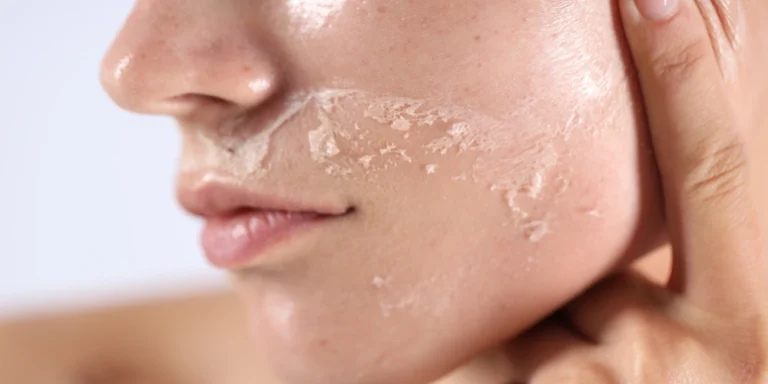

What are the best daily habits for healthy skin?

Healthy skin is not just about looks; it reflects your overall well-being. Many people in the United States are becoming more conscious about skin care and daily routines. Good habits can prevent problems like dryness, acne, and premature aging. Skin health depends on what you eat, how you care for it, and your lifestyle choices. Simple daily practices can make a big difference over time. Drinking enough water, eating nutritious food, and getting enough sleep are key factors. Protecting skin from the sun is also very important. Using the right products for your skin type helps maintain balance. Stress management can also improve skin appearance. Following consistent habits ensures long-term healthy and glowing skin.
What are the best daily habits for healthy skin?
Taking care of your skin every day helps it stay smooth, clear, and healthy. Simple habits done regularly can prevent many skin problems. Here are some essential daily habits for healthy skin:
1. Cleansing Your Skin Twice a Day
Cleansing is the first step in any skin care routine. Washing your face in the morning removes sweat and oil that accumulated overnight. At night, cleansing removes dirt, makeup, and pollution from the day. Use a gentle cleanser that suits your skin type to avoid irritation. Avoid harsh soaps that can strip natural oils. Cleansing also prepares your skin to absorb moisturizers and treatments better. Over-cleansing can be harmful, so twice a day is enough for most people. Make sure to use lukewarm water, as hot water can dry out your skin. Pat your face dry with a soft towel instead of rubbing. Regular cleansing keeps pores clean and reduces breakouts.
2. Moisturizing Daily
Moisturizing keeps your skin soft, hydrated, and flexible. Even oily skin needs moisture, but choose a lightweight formula in that case. Apply moisturizer after cleansing to lock in water. Using moisturizer regularly prevents dryness and flakiness. Ingredients like hyaluronic acid, glycerin, and ceramides help retain moisture. During cold weather, thicker creams can protect the skin better. Moisturizing also reduces the appearance of fine lines and keeps skin looking youthful. For those with acne-prone skin, non-comedogenic moisturizers are ideal. Moisturizing should be part of both morning and evening routines. Over time, consistent moisturizing improves skin texture and resilience.
3. Wearing Sunscreen
Sunscreen protects your skin from harmful UV rays that cause premature aging and skin cancer. Apply sunscreen every morning, even on cloudy days or indoors near windows. Use broad-spectrum SPF 30 or higher for adequate protection. Reapply every two hours if you are outside for a long time. Sunscreen prevents sunburn, dark spots, and wrinkles. Many daily products now include SPF, but extra protection is recommended. Hats and sunglasses can provide additional protection. For those with sensitive skin, mineral sunscreens are gentler. Consistent use of sunscreen is one of the most effective habits for long-term skin health. Skin looks healthier and ages slower when protected daily.
4. Eating a Balanced Diet
What you eat directly affects your skin’s health. Include fruits, vegetables, whole grains, and lean proteins in your daily diet. Foods rich in antioxidants like berries, spinach, and nuts help fight skin damage. Omega-3 fatty acids found in fish and seeds support hydration and elasticity. Avoid too much sugar and processed foods, as they can cause breakouts. Drinking water regularly also keeps skin hydrated. Vitamins like A, C, and E are essential for repairing and maintaining skin cells. Probiotics, found in yogurt, can improve skin balance and reduce inflammation. A balanced diet supports not just skin, but overall body health. Daily nutrition is a simple but powerful step for glowing skin.
5. Getting Enough Sleep
Sleep is when your body repairs and rejuvenates itself, including your skin. Aim for 7–9 hours of quality sleep each night. Poor sleep can cause dark circles, dull skin, and increased breakouts. During deep sleep, collagen production increases, keeping skin firm. Try to maintain a consistent sleep schedule to help your body adjust. Avoid using screens right before bed, as blue light can affect sleep quality. Keep your sleeping environment clean to prevent skin irritation. Pillowcases should be changed regularly to reduce bacteria exposure. Good sleep reduces stress and supports overall skin health. A rested body is reflected in healthier, glowing skin.
6. Managing Stress
Stress can affect hormone levels and lead to skin problems like acne or eczema. Daily stress management helps maintain skin balance. Simple practices like meditation, deep breathing, or light exercise can reduce stress. Taking short breaks during work or studying helps the mind and body relax. Engaging in hobbies or social activities can improve mood and reduce anxiety. Adequate sleep also supports stress management. Avoid overloading yourself with tasks to prevent burnout. A calm mind reflects in your skin’s appearance. Regular stress management helps maintain a clear and healthy complexion.
Frequently Asked Questions
Many people often have questions about skin care. Here are some common concerns about daily habits for healthy skin.
Q1: How often should I change my skin care products?
It is good to review your skin care products every 6–12 months. Skin changes over time due to age, climate, or lifestyle. Adjusting your products ensures your skin gets the care it needs. Avoid sudden changes unless necessary, and always test new products first.
Q2: Can drinking more water improve my skin?
Yes, drinking enough water helps keep your skin hydrated. Proper hydration supports elasticity and reduces dryness. While water alone is not a complete solution, it works well with other daily skin care habits.
Conclusion
Healthy skin comes from consistent daily habits. Cleansing, moisturizing, and protecting skin from the sun are basic yet essential steps. Eating a balanced diet and drinking water supports skin from the inside. Quality sleep and stress management help your skin stay fresh and youthful. Avoid harsh chemicals and overuse of products to prevent irritation. Small, regular efforts make a long-term difference. By following these simple habits, anyone can achieve glowing and healthy skin naturally.